
Longer reads on keeping a pool in good shape — the background behind the calculators, written for someone who looks after their own pool.
Every guide
Grouped by subject. Each one is a full read rather than a summary, and every figure in them is one you can check with a calculator.
Pool Chemistry
Chlorine, pH, alkalinity, calcium and stabiliser — the readings a test kit gives you and what each one is actually telling you. These guides cover how the numbers pull on one another, which to fix first when several are out, and the ranges worth holding rather than chasing.

Calcium Hardness: The Reading That Protects Your Pool
Too little calcium and the water dissolves your plaster; too much and it scales your heater. Why it is easy to raise…
Cyanuric Acid: The Reading That Decides Your Chlorine
Why free chlorine cannot be judged on its own, how stabiliser creeps up without you adding any, and the levels worth holding.
How Much Salt to Add to a Pool
How much salt a pool needs to reach its target ppm, how many bags that works out as, and the mistakes that…
Pool Shock: What It Does, When You Need It & How Much to Use
Shocking is not a product or a schedule — it is a chlorine target set by your stabiliser reading. How to work…
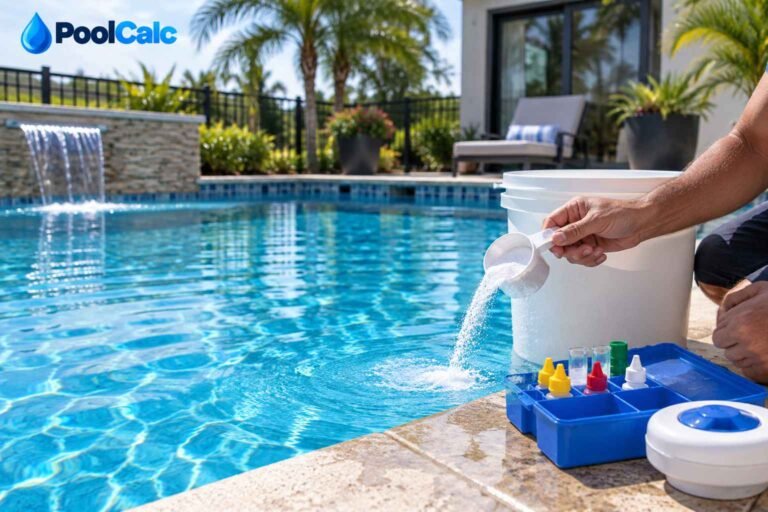
Pool Water Testing: pH, Chlorine & Alkalinity Guide
Every decision about your pool rests on a test result. Which readings matter, how often, where to take the sample, and the…

Total Alkalinity and pH: Which Should You Fix First?
pH is the reading people chase; alkalinity decides whether they will ever catch it. How the two interact, why pH controls chlorine…
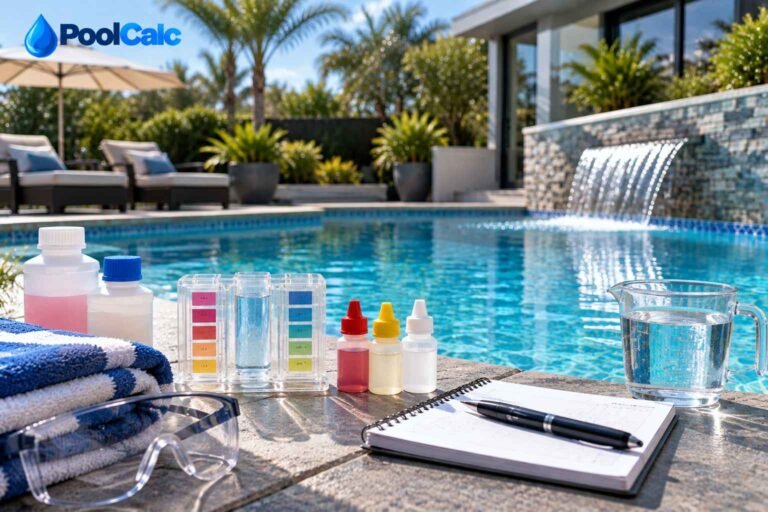
Understanding Pool Water Chemistry
What each reading on your test kit actually does, how they affect one another, and which to fix first.

Why Your Pool Will Not Hold Chlorine: Causes & Fixes
Six causes, one diagnostic order. How to tell sunlight loss from algae in a single overnight test, and why the most common…
Pool Equipment
Pumps, filters, heaters, cleaners and covers: how to choose them, how to size them to your pool, and what each costs to run once it is installed. Most of the money a pool spends goes through this equipment, so the choices here outlast the purchase by years.
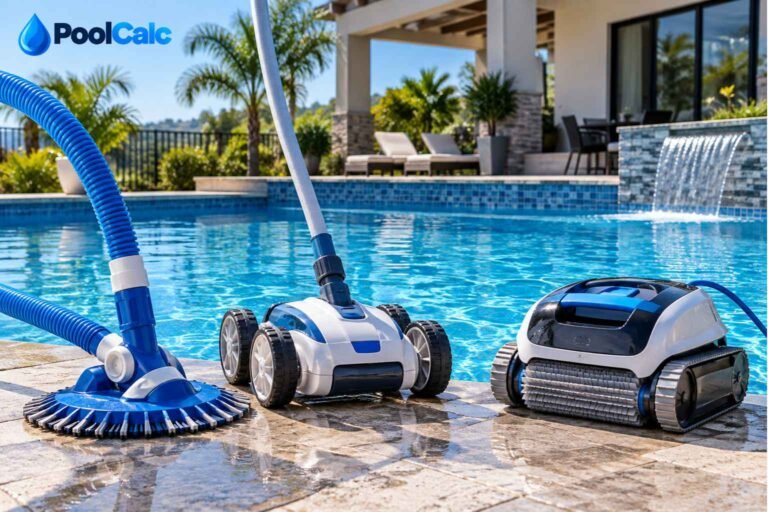
Automatic Pool Cleaners: Suction vs Pressure vs Robotic
Three cleaners working on completely different principles, and the cheapest to buy is often the most expensive to own. How to choose…
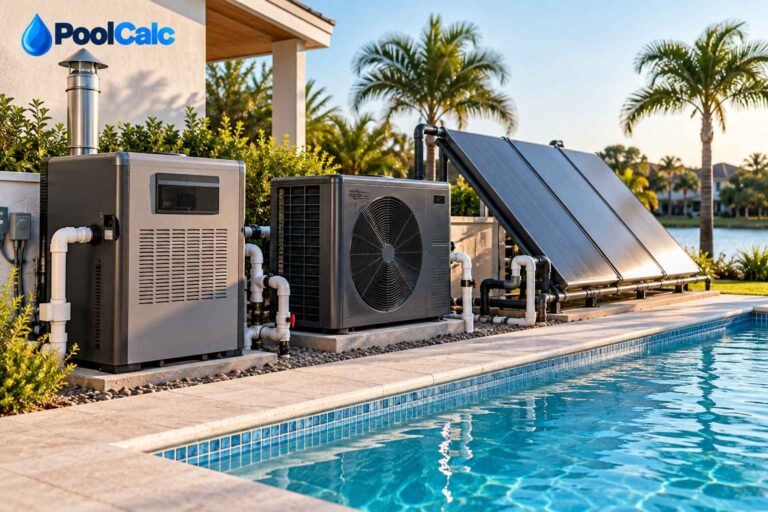
Gas, Heat Pump or Solar: Choosing the Right Pool Heater
The three ways to heat a pool behave so differently that price alone tells you nothing. How much energy the job actually…

How Long Should You Run a Pool Pump? Daily Runtime Guide
Run time is not a preference, it is a consequence of your volume and your flow rate. How to calculate turnover, why…
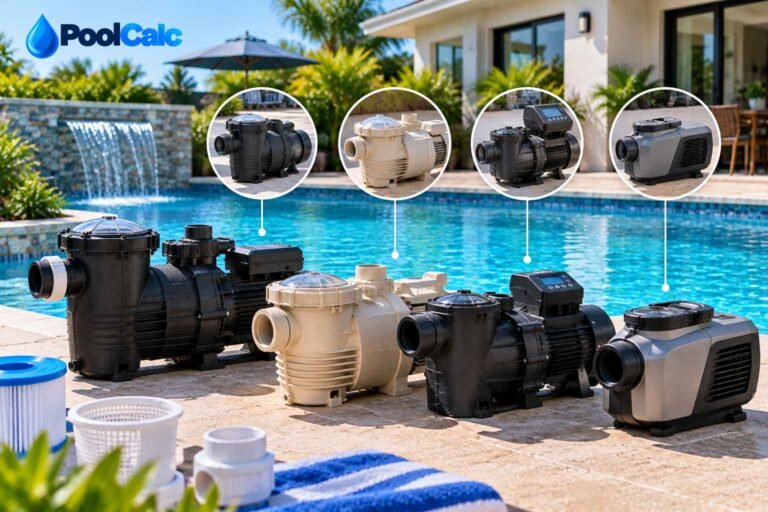
How to Choose the Right Pool Pump
Why flow rate matters more than horsepower, what your plumbing can actually carry, and whether variable speed is worth it.

Pool Covers: Solar, Safety, Winter & Automatic Options
Four different products solving four different problems, and only one of them is a safety device. Which cover does what, why a…

Sand, Cartridge or DE Pool Filters: Which Is Right?
How the three filter types differ in fineness, cleaning and water use, and why the pressure gauge should decide when you clean.
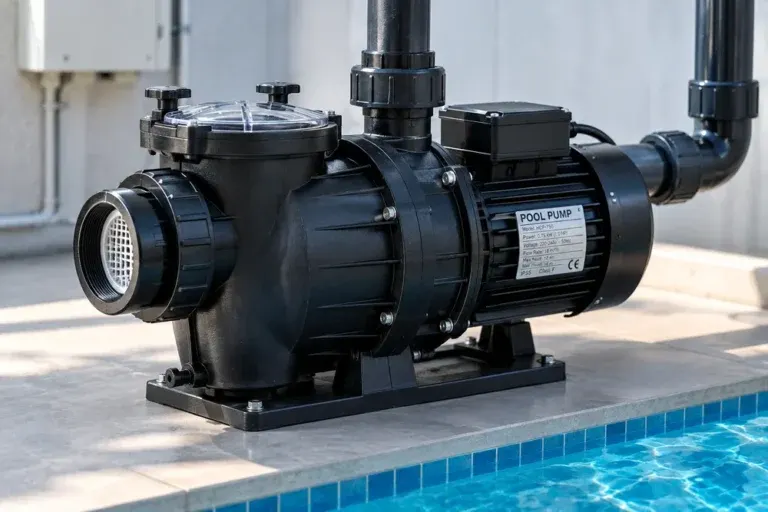
Variable-Speed Pool Pumps: Do They Pay for Themselves?
Power rises with the cube of pump speed, which is the whole argument. A worked payback example, the cases where the maths…
Pool Maintenance
The work that keeps a pool swimmable — testing, brushing, vacuuming, filter cleaning and pump run time — plus the seasonal jobs of opening in spring and closing for winter. Written around what the tasks actually take rather than an idealised schedule.
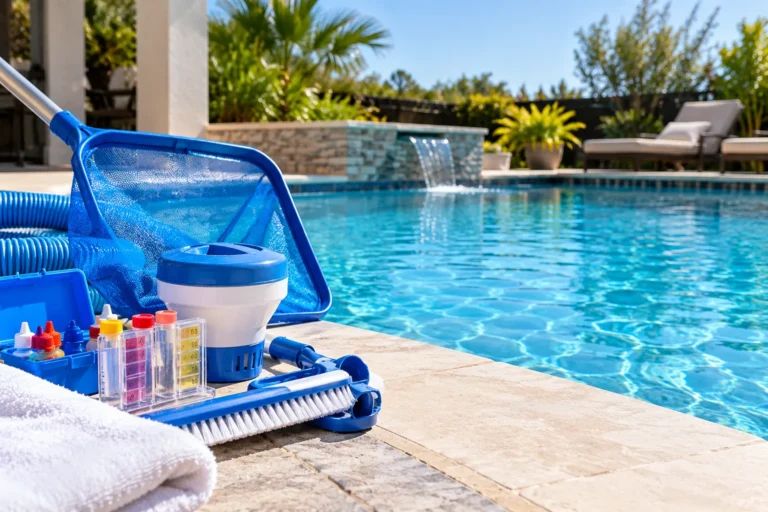
Daily Pool Maintenance Checklist: Complete Pool Care Guide
Follow a daily pool maintenance checklist covering water testing, cleaning, pool chemicals, filter care, equipment checks, and seasonal pool care
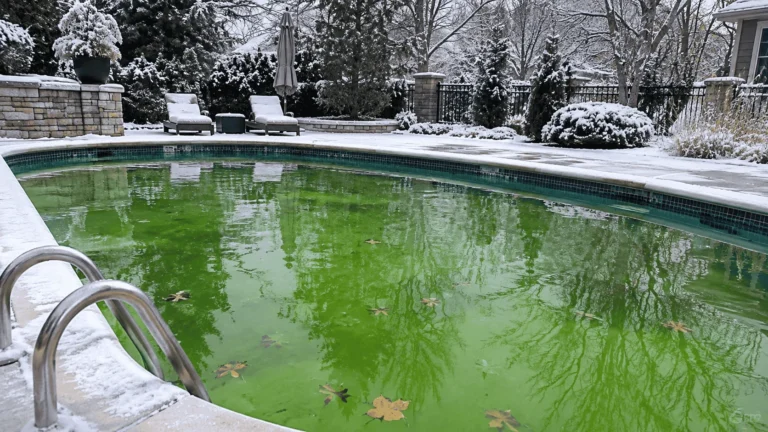
Green Pool Water in Winter: Causes, Fixes & Prevention
Learn why pools turn green in winter, effective ways to clear algae, and simple prevention tips for keeping water clean.
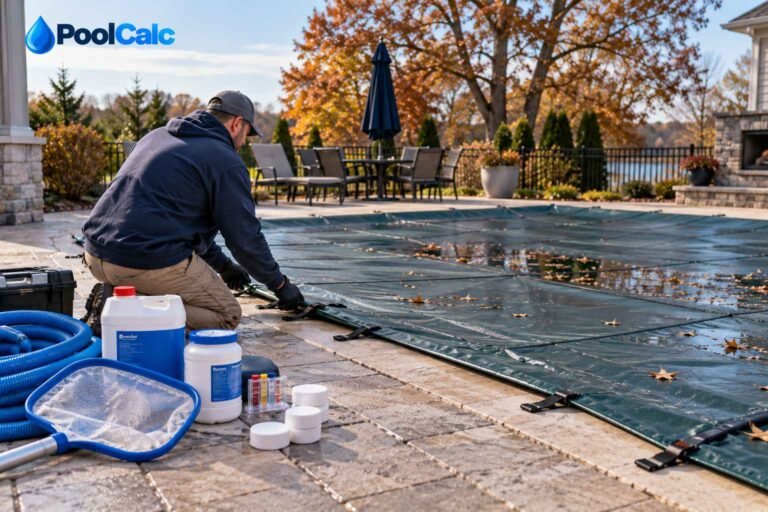
How to Close and Winterize a Pool: Step-by-Step Guide
The job where mistakes are most expensive and least visible until spring. Closing chemistry, how far to lower the water, and why…
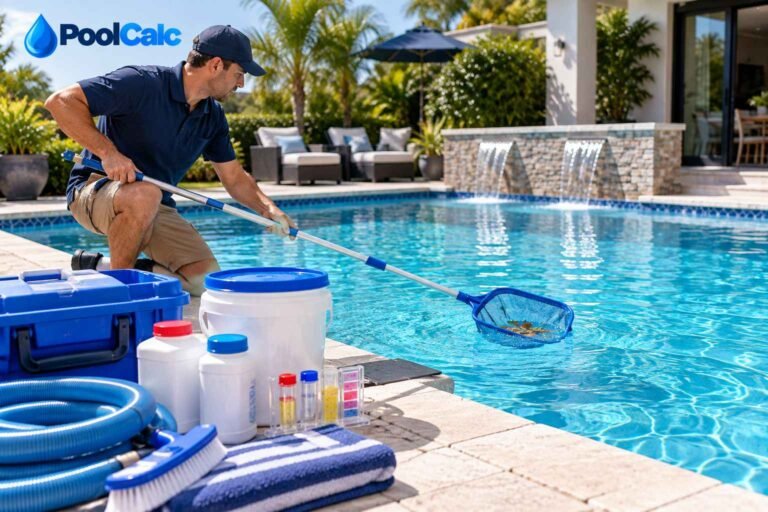
How to Keep Your Swimming Pool Clean & Healthy
A complete guide to keeping your pool clean, healthy and safe all year round — what to do daily, weekly and monthly.
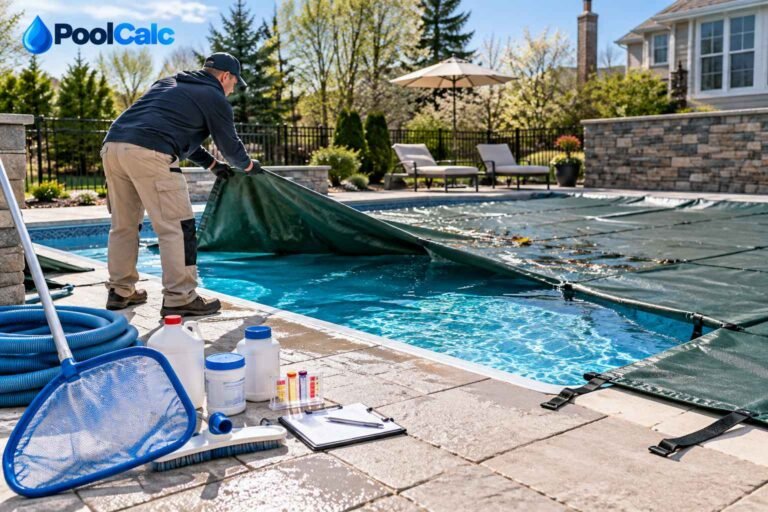
How to Open a Pool for the Season: Step-by-Step Guide
Opening badly costs a fortnight and a great deal of chemical. The order that avoids it: clear the cover, reassemble, circulate, test,…
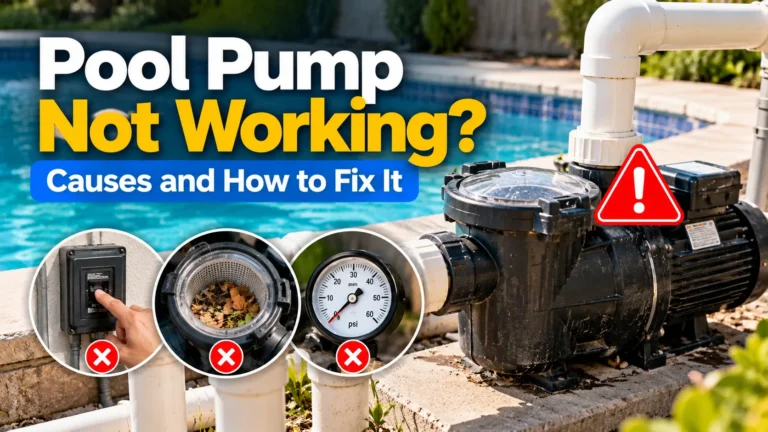
Pool Pump Not Working? Causes and How to Fix It
Pool pump not working? Find common causes, troubleshoot startup problems, restore water flow, and learn when to repair or replace your pump.
Pool Costs
What a swimming pool actually costs once it is in the ground: electricity for the pump, chemicals, water, heating and the repairs that arrive on a schedule. Real figures and the few changes that move the bill most.
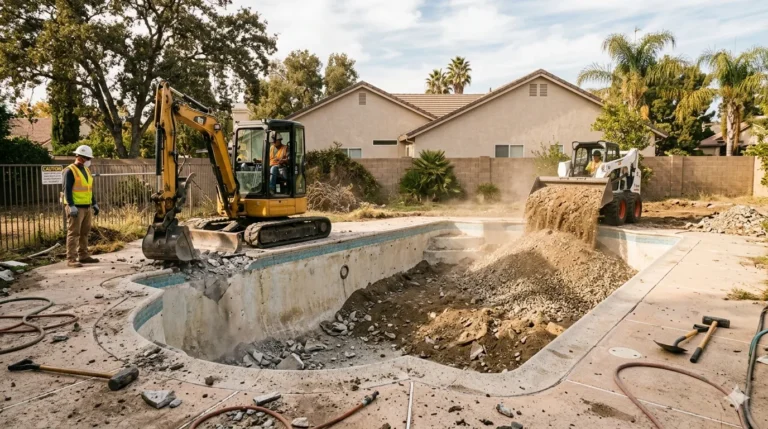
How Much Does It Cost to Fill In a Pool?
Filling in a pool costs $3,000 to $10,000 for a partial fill and $9,000 to $19,000 for full removal — and access…
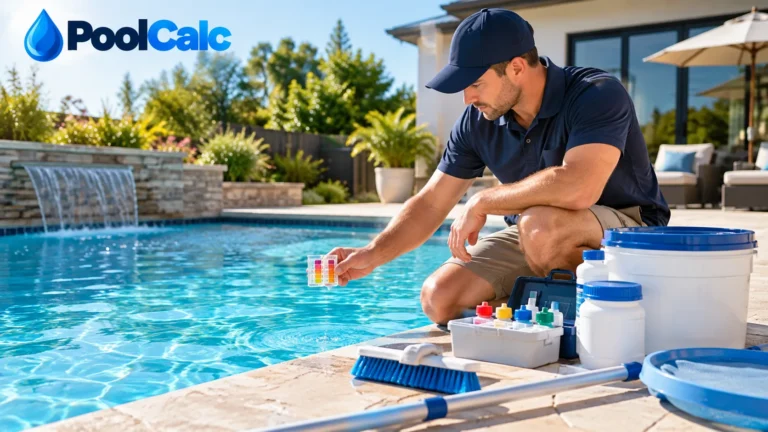
Pool Maintenance Cost: How Much Does It Cost to Maintain a Pool?
Find out the cost of maintaining a pool, including monthly, weekly and annual expenses for chemicals, cleaning, equipment, water, electricity and service.
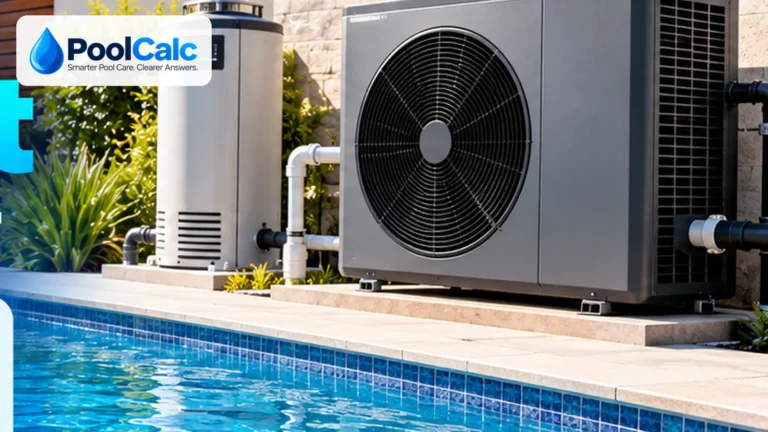
What It Costs to Heat a Swimming Pool
What heating a pool actually costs per month by gas, heat pump and solar, and the one change that halves the bill.
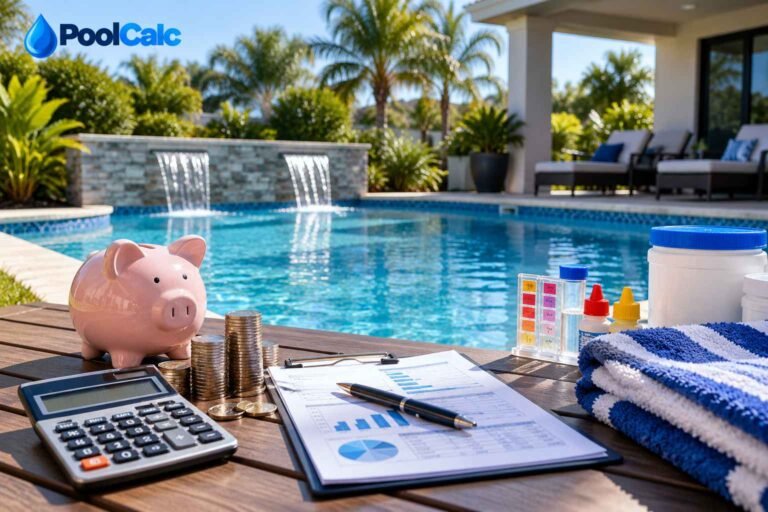
What It Really Costs to Run a Pool: Full Breakdown
Where the money actually goes, why pump speed matters more than pump size, and the five changes worth making first.
Pool Safety
Two kinds of safety, both of which get overlooked. Handling and storing pool chemicals without hurting yourself, and keeping the water itself safe to swim in — barriers, supervision, and the chemistry that stops germs spreading between swimmers.

How to Handle Pool Chemicals Safely: Essential Tips
The mixing mistakes that cause almost every serious pool chemical incident, and how to store and add chemicals so none of them…
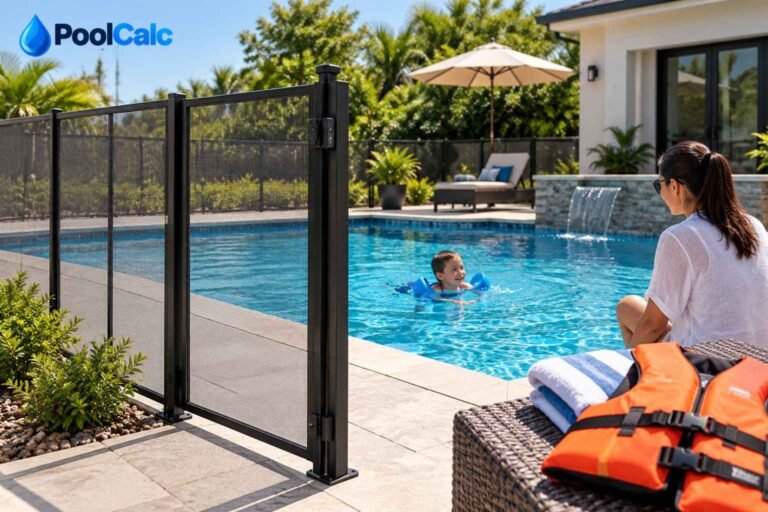
Pool Safety: Barriers, Supervision & Effective Measures
Drowning is silent, takes under a minute, and is almost entirely preventable. The layers of protection that work, why a four-sided fence…
What Chlorine Kills, and What It Does Not
Chlorine destroys most bacteria in under a minute and struggles for days against one parasite. Why pH and stabiliser decide whether your…
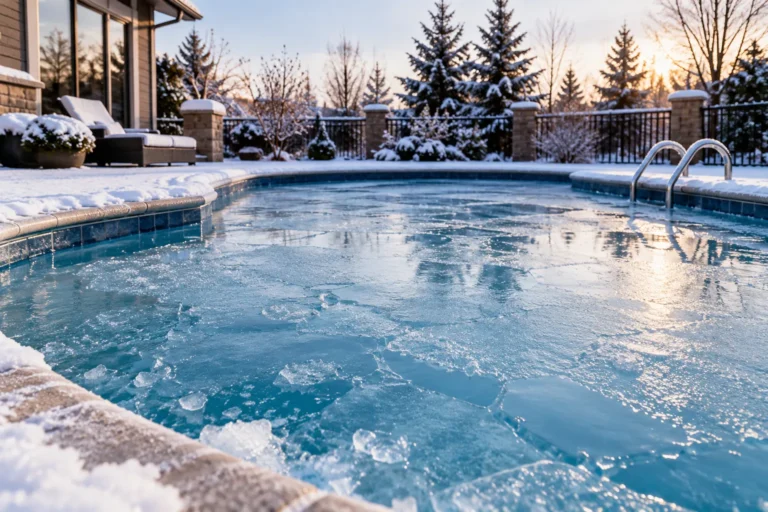
What to Do If Your Pool Freezes: Safety & Repair Guide
Learn what to do if your pool freezes, protect your pump and pipes, prevent freeze damage, and safely restart your swimming pool…
Pool Design
How a pool is built and sanitised shapes what owning it is like. These guides compare the types — above ground against in-ground, saltwater against traditional chlorine — on build cost, lifespan, upkeep and the repairs each one eventually needs.
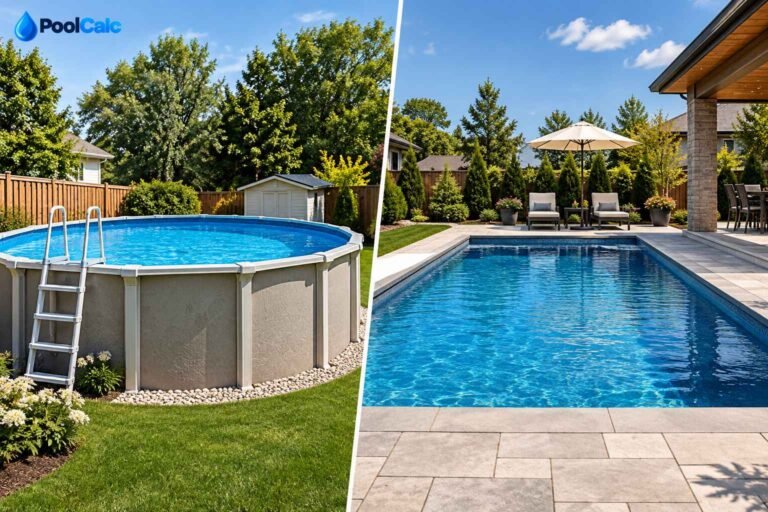
Above-Ground vs In-Ground Pools: Costs & Key Differences
They differ by a factor of ten in cost and five in lifespan, but barely at all in running cost. The five…

Saltwater vs Chlorine Pools: Key Differences Explained
A salt pool is a chlorine pool that makes its own chlorine. What that changes, what it does not, and what it…
What Is a Lap in a Pool?
A lap means one length to a competitive swimmer and two to almost everyone else. Here is how to count, and what…
Start with the basics
If you are new to this, two numbers matter more than anything else: how much water your pool holds, and how much free chlorine is in it. Everything else follows from those.
Water Health Check
Enter your test results and see what is in range, what is not, and what to do first.
CalculateMaintenance Schedule
A task list built for your pool — print it and stick it by the equipment.
CalculateCommon questions
How often should I test my pool water?
Chlorine and pH twice a week in swimming season, weekly the rest of the year. Alkalinity and calcium hardness monthly. Always test after heavy rain, a busy weekend, or topping up a large amount of fresh water.
How long should the pump run each day?
Long enough for one full turnover — six to eight hours for most pools in summer, less in winter. The Turnover Calculator works out the figure for your pool and pump rather than a rule of thumb.
What is the single most important thing to get right?
Holding free chlorine in range every week. Almost every pool problem — green water, cloudy water, the strong chlorine smell — starts with chlorine running out at some point.
How much time does a pool take to look after?
Two to three hours a week in season for most pools, spread across short daily checks and one longer weekly session. The Maintenance Schedule builds a task list for your specific pool.