
Something has gone wrong with the water. Find it below, and you will get the likely causes, what to test before adding anything, and the steps that actually fix it.
One piece of advice applies to all of them: test before you treat. Most pool problems have two or three possible causes with completely different answers, and adding the wrong thing can make the problem permanent — a metal stain treated with chlorine is the classic example.
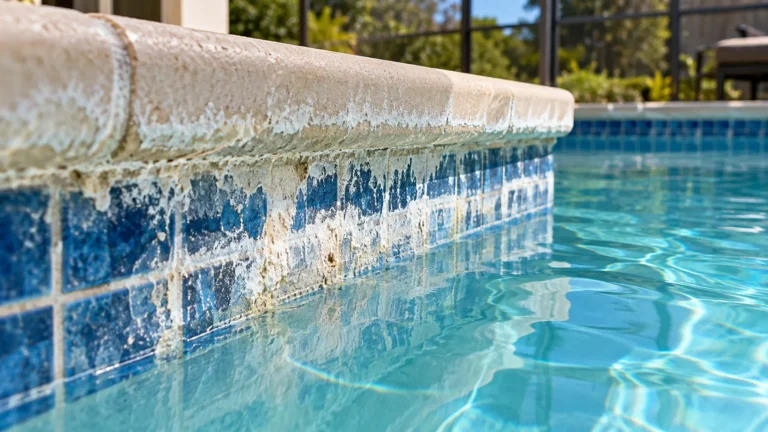
Calcium Scale in a Pool: Removing and Preventing It
The white crust on tiles and inside heaters — what causes it and how to deal with it.
Learn more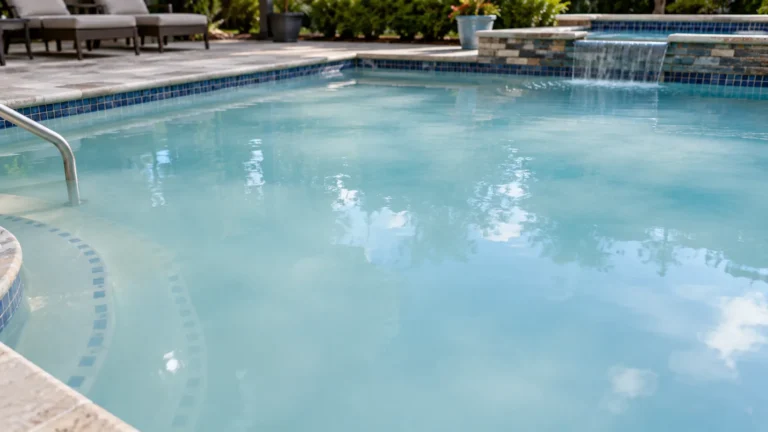
Cloudy Pool Water: Causes and Fixes
Why pool water goes hazy, how to tell which cause it is, and what actually clears it.
Learn more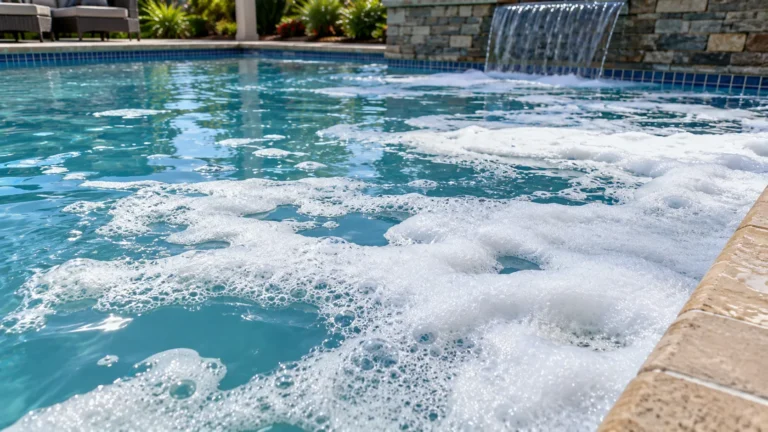
Foamy Pool Water: Why It Happens
What causes foam on a pool surface, and how to get rid of it.
Learn more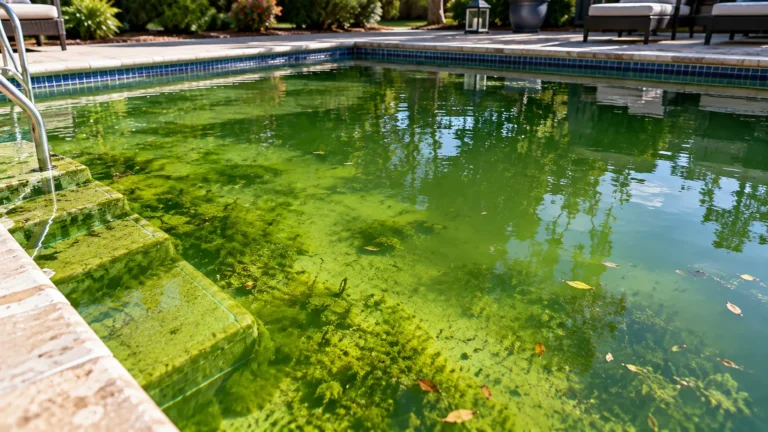
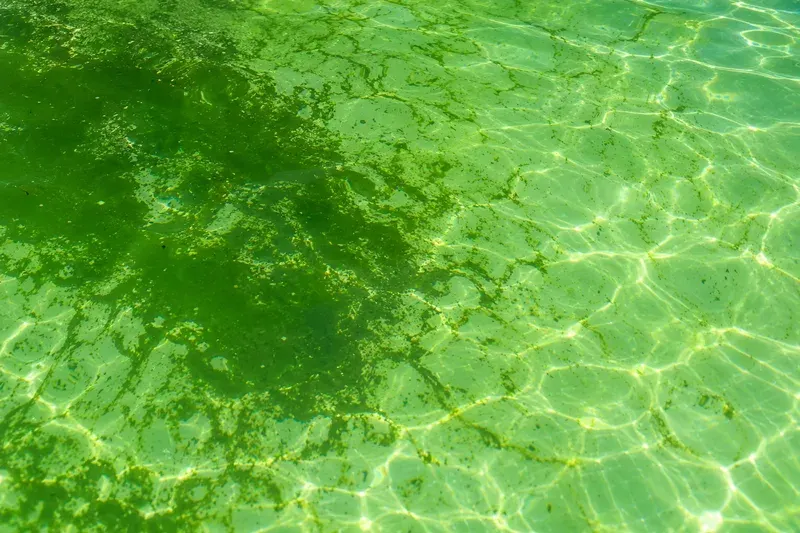
Green Pool: Causes and How to Fix It
Why a pool turns green, how to clear it, and how to stop it happening again.
Learn more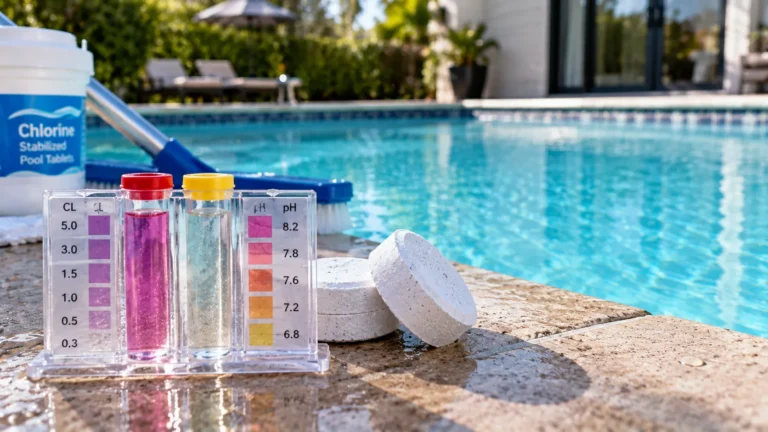
High Chlorine: What To Do
When pool chlorine is too high, what it damages, and how to bring it down safely.
Learn more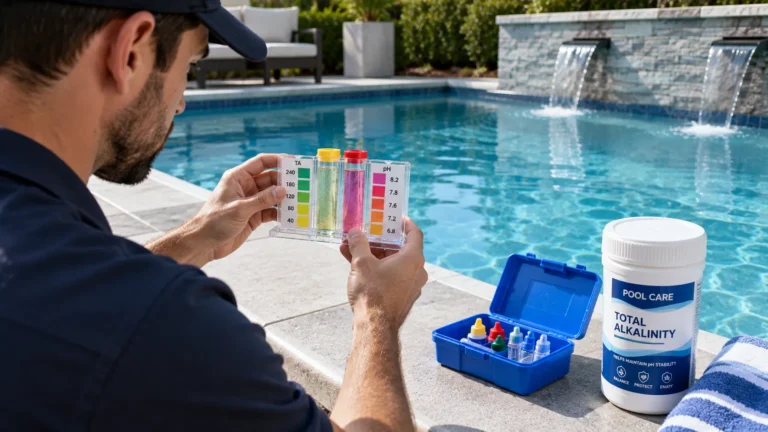
High Total Alkalinity: How to Lower It
Why high alkalinity keeps pushing pH up, and the acid-and-aerate method that lowers it.
Learn more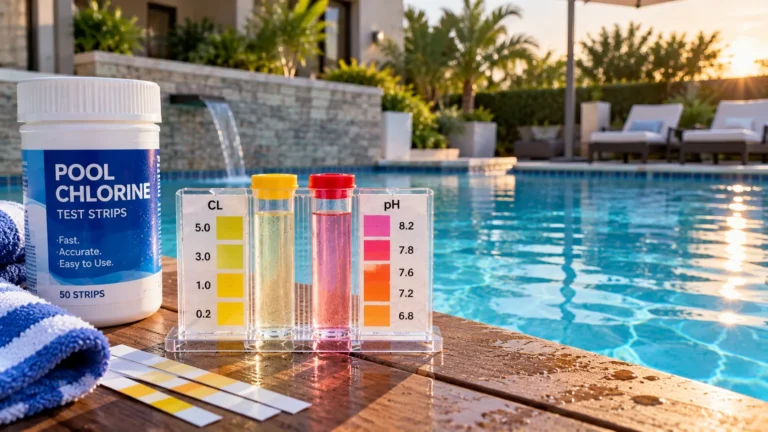
Low Chlorine: Why It Will Not Hold
The real reasons pool chlorine disappears, and how to make it stay.
Learn more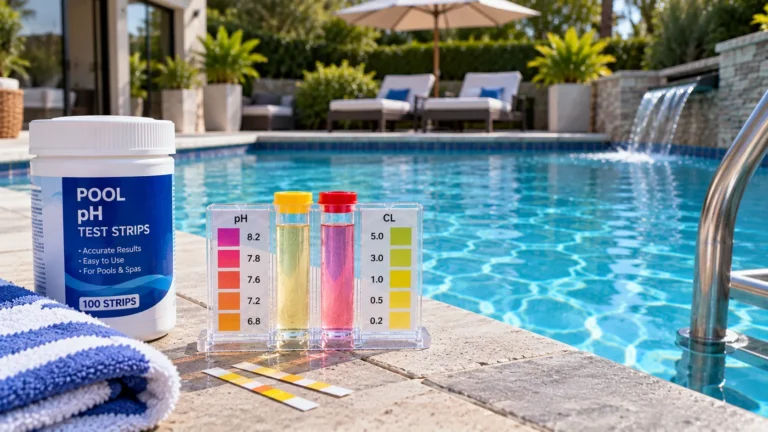
Low pH in a Pool: Causes and Fix
Why pool pH drops below 7.4, the damage it does, and how to raise it.
Learn more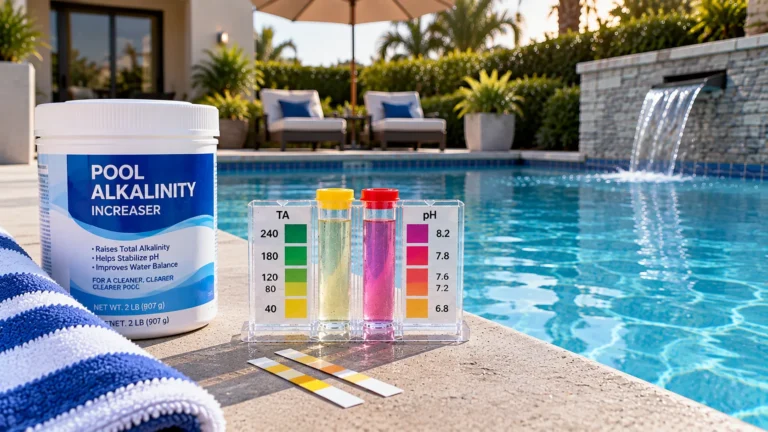
Low Total Alkalinity: How to Raise It
Why low alkalinity makes pH bounce, and how much baking soda it takes to fix.
Learn more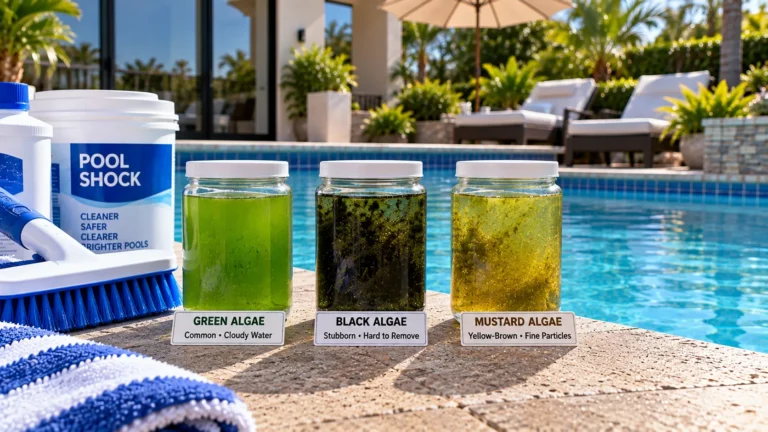
Pool Algae: Green, Black and Mustard
How to tell the three common types of pool algae apart, and how each one is treated.
Learn more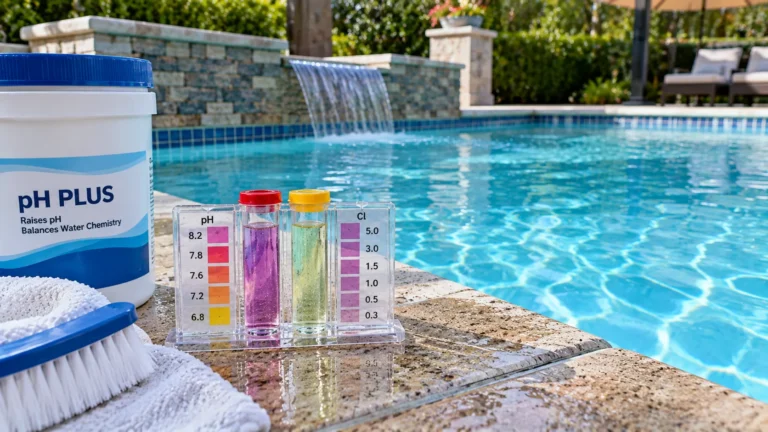
Pool pH Ideal Levels and How to Test and Balance Water
Why pool pH climbs above 7.6, what it does to the water, and how to bring it back…
Learn more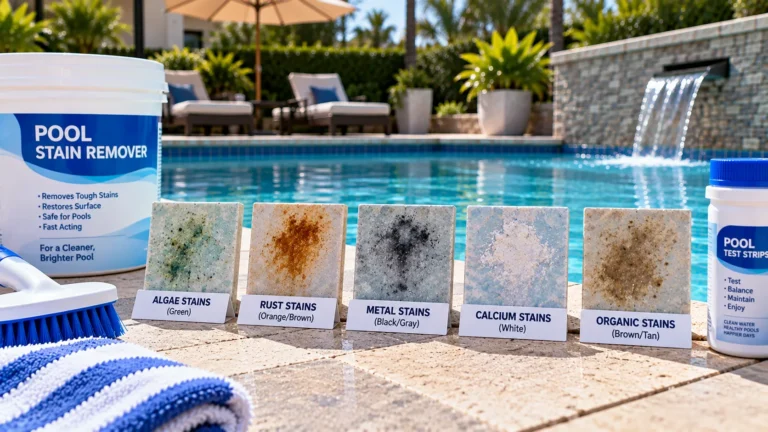
Pool Stains: Identifying and Removing Them
How to tell an organic stain from a metal stain, and how each one is removed.
Learn more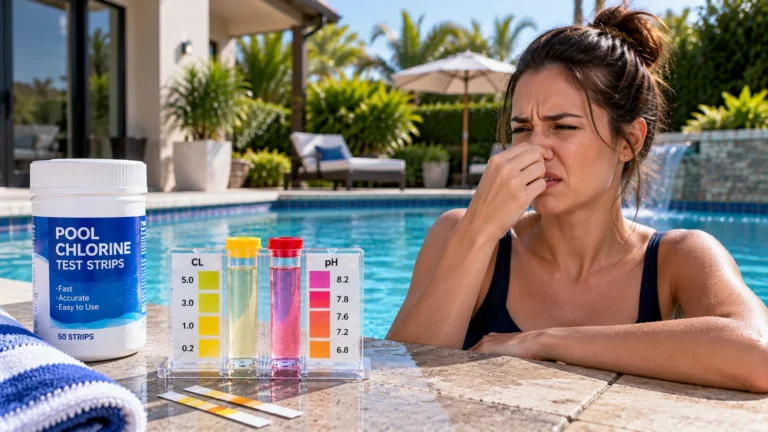
Strong Chlorine Smell: What It Really Means
Why a pool that smells strongly of chlorine usually has too little, not too much.
Learn moreWhere to start
If you are not sure which problem you have, the Water Health Check takes your test readings and tells you which reading to deal with first — which is often not the one that looks most alarming.
Water Health Check
Enter your test results and see what is in range, what is not, and what to do first.
CalculateThe order things get fixed in
Pool chemistry has a running order, and following it saves repeating yourself:
- Total alkalinity — it holds pH steady, so nothing else stays put until this is right.
- pH — decides how well chlorine works. Often lands in range by itself once alkalinity is fixed.
- Calcium hardness — protects plaster and grout.
- Cyanuric acid — sets how much chlorine the pool needs to hold.
- Chlorine — last, because everything above changes how well it works.
Before you add anything: never mix pool chemicals, add one product at a time, run the pump for at least four hours between doses, and follow the instructions on your container. If the label disagrees with anything on this site, the label wins.