
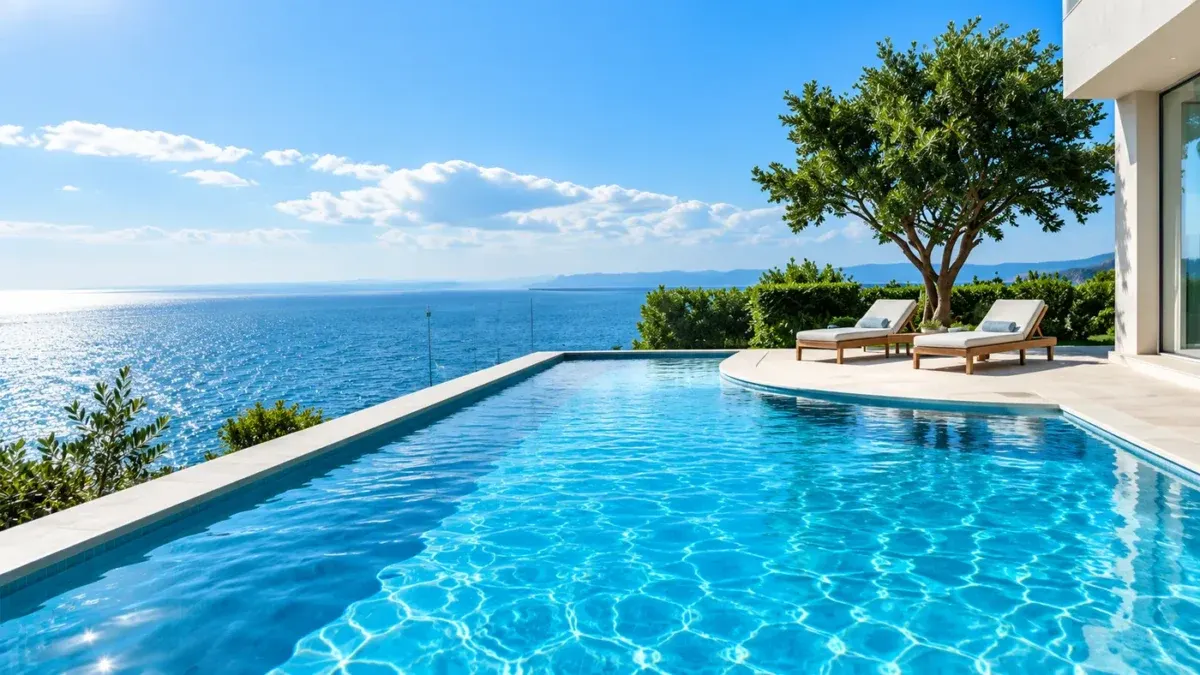
Pools differ in more than looks. The surface decides your calcium target, the sanitiser decides your weekly routine, and the construction decides what a repair costs. Choosing between them is less about the finish than about which set of running costs you would rather live with.
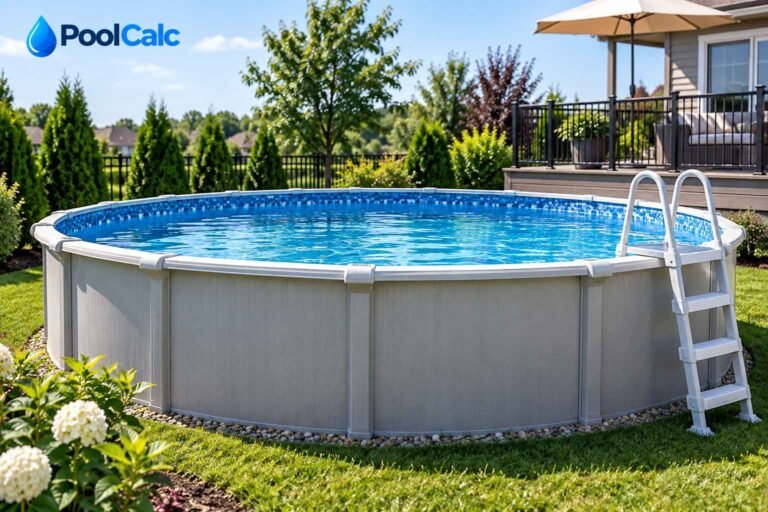
Above-Ground Pools
What above-ground pools are good at, where they fall short, and how to look after one.
Learn more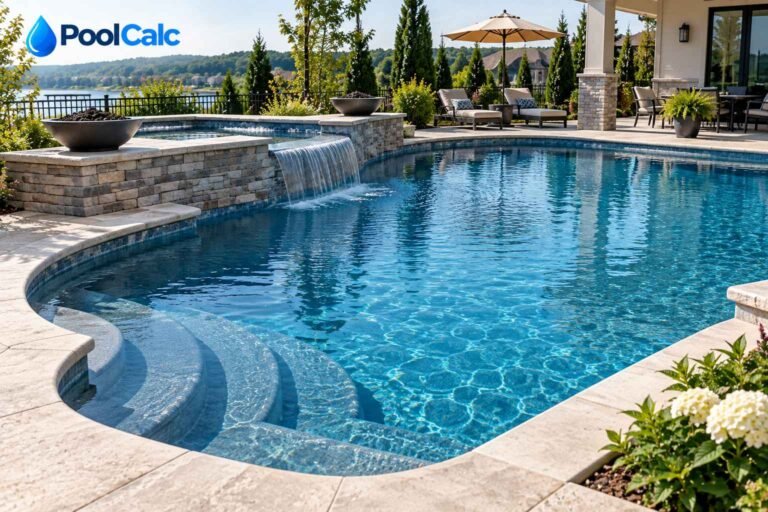
Concrete & Gunite Pools
The most durable and most customisable pool — and the one that asks most of its owner.
Learn more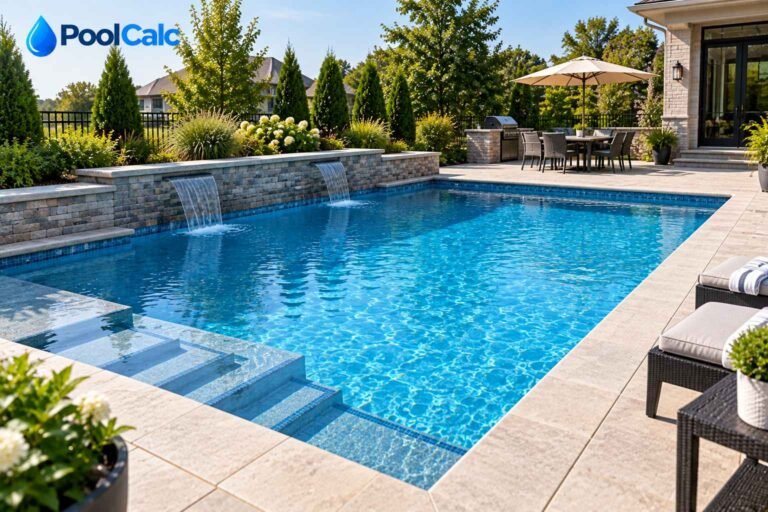
Fibreglass Pools
A one-piece moulded shell: fast to install, smooth to swim in, and limited to the shapes on offer.
Learn more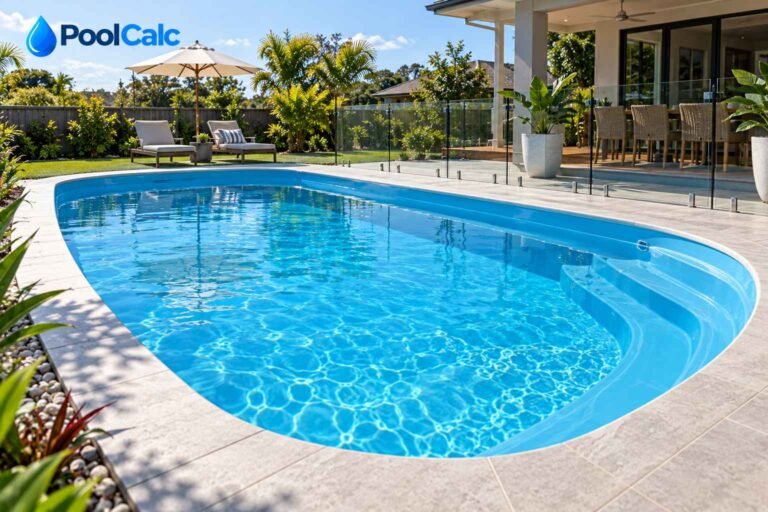
In-Ground Pools
How in-ground pools differ to own, run and maintain — and what to know before building one.
Learn more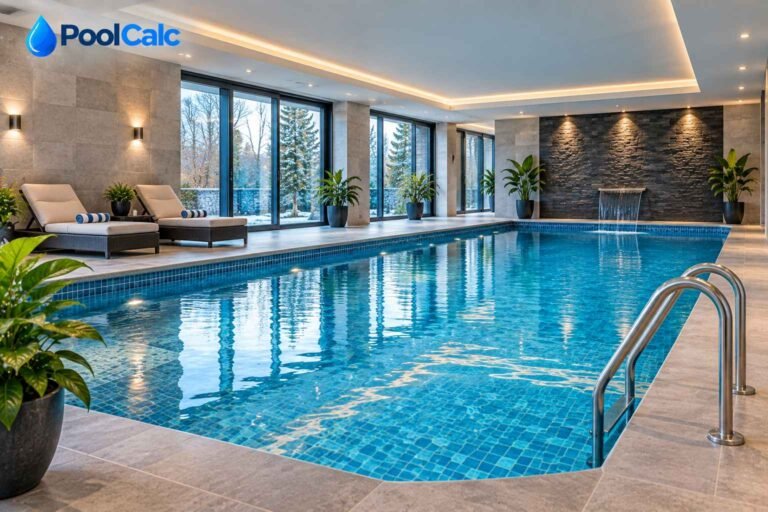
Indoor Pools
Year-round swimming with a different set of problems — humidity, ventilation and chloramines.
Learn more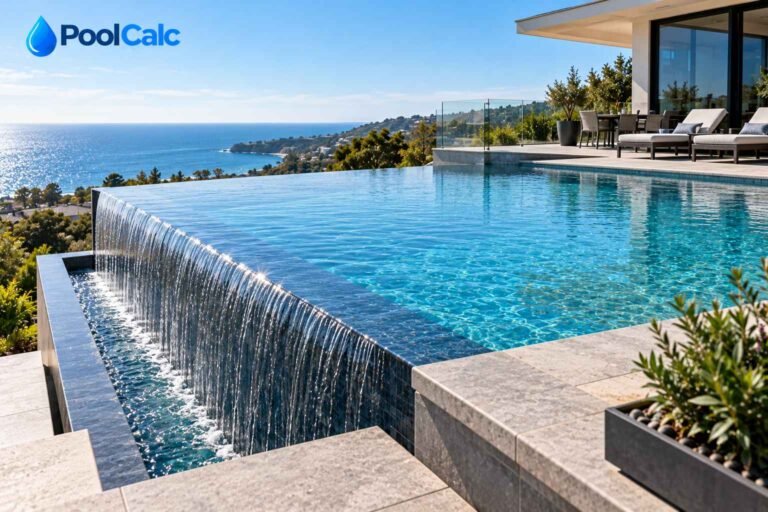
Infinity & Vanishing Edge Pools
How a vanishing edge actually works, and what it adds to running and maintaining a pool.
Learn more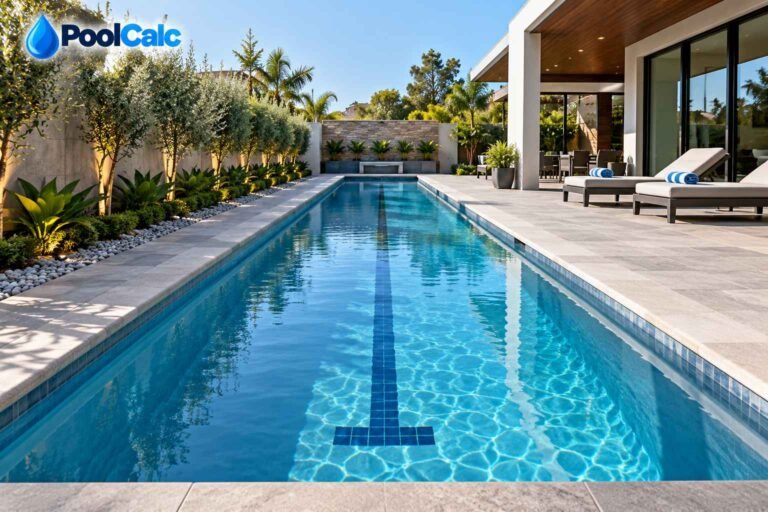
Lap Pools
A long, narrow pool built for swimming rather than lounging — and what that shape changes.
Learn more
Outdoor Pools
The common case — and what sunlight, weather and the seasons do to the water.
Learn more
Saltwater Pools
A saltwater pool is still a chlorine pool — it just makes its own. What that changes, and…
Learn more
Vinyl Liner Pools
The least expensive in-ground pool to build, with a liner that is a consumable rather than a surface.
Learn moreThe three things that actually differ
Brochures compare pool types on shape and finish. Once you own one, three other differences turn out to matter far more, and all three show up in what you spend each year rather than what you spent at the start.
The surface decides your calcium target
Plaster, pebble and concrete surfaces contain calcium, and water low in calcium will dissolve it straight out of the wall. Those pools need calcium hardness held somewhere around 200 to 400 ppm. Fiberglass and vinyl contain no calcium at all, so they can run lower — 150 to 250 is plenty, and holding a plaster pool’s target in a vinyl pool just risks scale on the heater.
The sanitiser decides your weekly routine
A chlorine pool needs chlorine added by hand, usually two or three times a week in season. A salt pool makes its own and mostly needs checking rather than dosing — but it adds a cell that wears out, typically every three to seven years, at a cost most people do not budget for. Neither is lower maintenance in the abstract; they are different kinds of attention.
The construction decides what a repair costs
A vinyl liner is the cheapest pool to build and the one with a scheduled replacement: liners last roughly seven to twelve years. Concrete lasts decades but needs resurfacing, which is the single largest bill a pool owner is likely to face. Fiberglass sits between the two and has the fewest surprises, at the price of being limited to the shapes that come out of a mould.
Compared on what it costs to own
| Type | Lifespan | Scheduled cost | Suits |
|---|---|---|---|
| Vinyl liner | Liner 7–12 years | Liner replacement | Lowest build budget |
| Fiberglass | 25+ years | Few, if any | Least upkeep |
| Concrete / gunite | 50+ years | Resurfacing | Any shape you like |
| Above ground | 7–15 years | Whole pool | Short commitment |
Saltwater, indoor, outdoor, lap and infinity describe how a pool is used or sanitised rather than how it is built. A pool is one of the construction types above and may also be any of these — a concrete saltwater lap pool is an ordinary combination.
Work out the numbers for yours
Maintenance Schedule
A task list built for your pool — print it and stick it by the equipment.
CalculateCommon questions
Which pool type is cheapest to run?
Running cost is driven far more by size, pump and heating than by construction. A small fiberglass pool with a variable speed pump and a cover will cost less to run than a large concrete pool with a single speed pump, but so would a small concrete one. Surface area and how you heat it are the levers that matter.
Is a saltwater pool really lower maintenance?
It removes the job of adding chlorine by hand, which is the one most people dislike. It does not remove testing, balancing, brushing or filter cleaning, and it adds a cell to replace every few years. Less of one task, not less work overall.
Does the pool type change the chemicals I need?
The chemicals are the same; the targets are not. Calcium hardness is the main one — plaster and concrete need it high enough to protect the surface, vinyl and fiberglass do not. Chlorine, pH and alkalinity targets are the same whatever the pool is made of.
Can an above-ground pool be a saltwater pool?
Yes, and plenty are. The one thing to check is that the frame, ladder and any metal fittings are rated for salt water. Salt is harder on untreated metal than standard chlorination, and a frame that was not made for it will corrode at the waterline.